Astorga: A Historic Stop Along the Camino
Astorga, where Roman history, pilgrimage, and everyday life intersect, immediately drew us in with its quiet character and layered past. We wandered past ancient walls, followed Camino markers through town, and took in Gaudí’s striking Palacio Episcopal rising above the city. This is a place where history feels woven into daily life rather than put on display. As we strolled through its streets and paused in its plazas, we felt the steady rhythm of a town shaped by centuries of travelers passing through.
Top Things to See and Do in Astorga

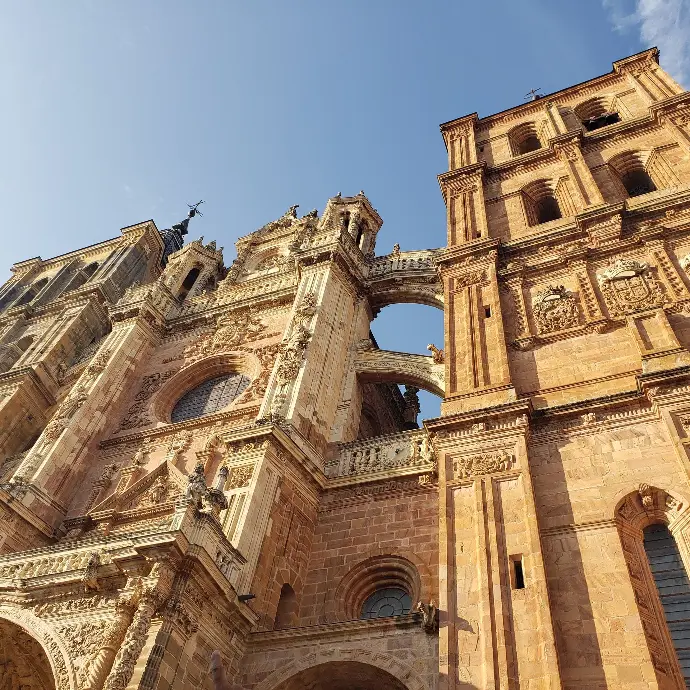
Just steps from Gaudí’s palace, the Cathedral of Santa María showcases centuries of architectural evolution, blending Gothic, Renaissance, and Baroque elements. Inside, take your time to appreciate the light filtering through stained glass and the quiet atmosphere that invites reflection, especially meaningful given Astorga’s role on the Camino de Santiago.

Astorga’s Roman roots run deep, and walking along the remaining sections of the ancient walls offers a glimpse into the city’s earliest days. This is an easy, peaceful walk that provides perspective on how long this town has been welcoming travelers, long before the Camino existed.

One of only a few buildings designed by Antoni Gaudí outside of Catalonia, the Palacio Episcopal is impossible to miss. Its fairytale-like towers and stone details feel both unexpected and perfectly at home in Astorga. Step inside to explore the museum or simply admire it from the plaza, where its scale and craftsmanship really stand out.

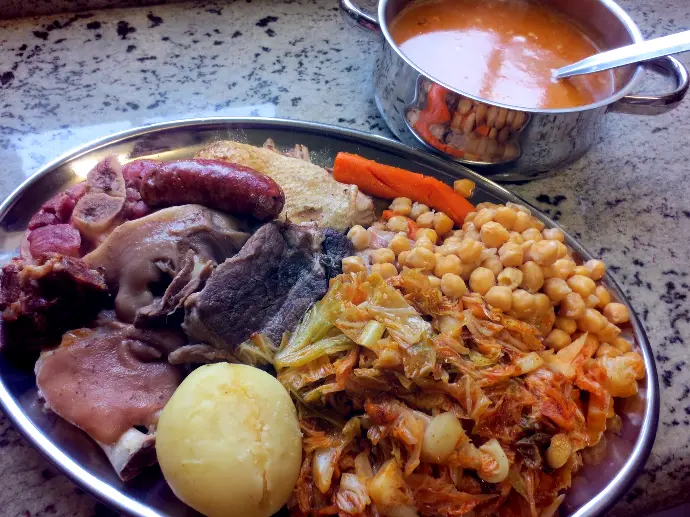
A short drive from Astorga, the stone village of Castrillo de los Polvazares feels like stepping back in time. This is the heart of Maragato culture and the best place to experience cocido maragato, the region’s traditional meal famously served in reverse order. Wander the cobbled streets before or after lunch and soak in the village’s preserved charm.
What to Eat & Drink in Astorga
Astorga is more than its history — its food is a local feast of flavor:
- Cocido Maragato — This traditional three-course stew is served in reverse order (meats first, then vegetables, then soup) and is one of the region’s signature dishes.
- Chocolate & Sweets — Astorga has a long chocolate tradition, and the Museo del Chocolate celebrates that history. Try thick hot chocolate or artisanal bars, and don’t miss local pastries like mantecadas and merles.
- Cecina & Tapas — Dry-cured beef (cecina) and generous tapas are common in local bars around Plaza Mayor and beyond.
For deeper tips, stroll the streets around the main square and follow locals into small taverns — often the best places for authentic dishes.
A Slow Afternoon in Astorga (Sample Mini Itinerary)
This is perfect for travelers who want to soak in the town’s atmosphere without rushing:
Late Morning:
- Start with coffee and a pastry near Plaza Mayor.
- Visit the Cathedral and Palacio Episcopal.
Lunch:
- Head to a local restaurant for cocido maragato — it’s a meal best enjoyed slowly.
Afternoon:
- Walk the Roman Walls and explore the Roman Museum.
- Wander the charm of the old town streets, stopping for tapas if you feel like it.
Late Afternoon:
- Visit the Museo del Chocolate, followed by a rich cup of Spanish hot chocolate.
- Sit in a plaza and watch pilgrims and locals alike as the day unwinds.
Know Before You Go
How long to stay:
One full day is ideal to take in the highlights at a relaxed pace.
Walkability:
Astorga’s historic center is compact and easy to explore by foot — perfect for slow travel.
When to go:
Spring and fall offer mild weather and fewer crowds, but even summer’s pace feels slower here.
Nearby Day Trips:
- Castrillo de los Polvazares: A wonderful stone village and the heart of Maragato culture.
- Comarca de la Maragatería: Traditional architecture, smaller villages, and scenic countryside.


